
More information about Stucco
9 min read
Introduction to Stucco
Stucco, a versatile and durable building material, has been utilized in construction for centuries. Its usage dates back to ancient civilizations, where it served as a decorative and protective finish for structures. The historical significance of stucco is evident in its application in Roman architecture, where it was often employed to enhance the aesthetic appeal of façades and interiors. As architectural styles evolved, stucco continued to be favored for its flexibility and cost-effectiveness.
The composition of stucco typically includes a mixture of cement, sand, and lime, along with water. This combination results in a strong and resilient surface that can be applied to various substrates including wood, masonry, and metal. Once applied, stucco can be finished in a variety of textures and colors, which allows for significant customization to suit a variety of architectural styles. Its adaptability to different environments and climates makes stucco a popular choice in residential and commercial buildings alike.
In addition to its visually appealing attributes, stucco offers numerous functional benefits. One notable characteristic is its ability to withstand harsh weather conditions, such as heavy rain and extreme temperatures, making it suitable for diverse geographical settings. Furthermore, stucco possesses excellent insulating properties, which contributes to energy efficiency in buildings. This factor alone is significant in today’s environmentally-conscious landscape, where energy-saving solutions are highly valued. Additionally, stucco is fire-resistant and low-maintenance, further solidifying its role as a preferred material in construction.
As the following questions delve deeper into various aspects of stucco, understanding its history, composition, and inherent qualities will provide a solid foundation. This context will enable readers to appreciate the nuances of stucco and engage with the content effectively.
Durability of Stucco
Stucco is widely recognized for its durability as a building material, offering a combination of strength and versatility. Its composition, typically made from Portland cement, sand, and water, creates a strong surface capable of withstanding various environmental elements. Moreover, when applied correctly, stucco can display exceptional resistance to weathering, making it suitable for different climates.
One common question regarding the longevity of stucco is its lifespan. Properly maintained stucco can last anywhere from 50 to 80 years. Factors influencing its lifespan include the quality of the installation, the climate it is subjected to, and the maintenance practices employed over the years. In regions with high humidity, for instance, stucco might require more regular inspections and maintenance to prevent moisture-related issues.
Another significant factor is stucco’s ability to resist cracking, which is crucial for its durability. While it is not immune to cracks, many cracks are often superficial and do not compromise the underlying structure. Using flexible materials for expansion and contraction can mitigate such issues. Additionally, correctly applied stucco allows for breathability and moisture drainage, both pivotal in sustaining its integrity over time.
Furthermore, stucco's performance in various climates is another area of interest. In dry, arid environments, stucco performs excellently, resisting wind and sun damage. Conversely, in areas with heavy snowfall or rainfall, adequate installation is vital to prevent water infiltration. Utilizing water-resistant barriers can greatly enhance stucco's performance in wet climates.
Ultimately, stucco is a durable building option when properly designed, installed, and maintained. Its resistance to various weather elements and impressive lifespan underscore its reliability as a long-term exterior finish.
The Application Process of Stucco
The application process of stucco involves several important steps to ensure a strong, durable, and aesthetically pleasing finish. Before starting, it is essential to prepare the surface properly. This typically means cleaning the area of any dirt, debris, or loose material. For best results, a moisture-resistant barrier, such as building paper or a wire mesh, should be installed to provide structural integrity and prevent moisture problems.
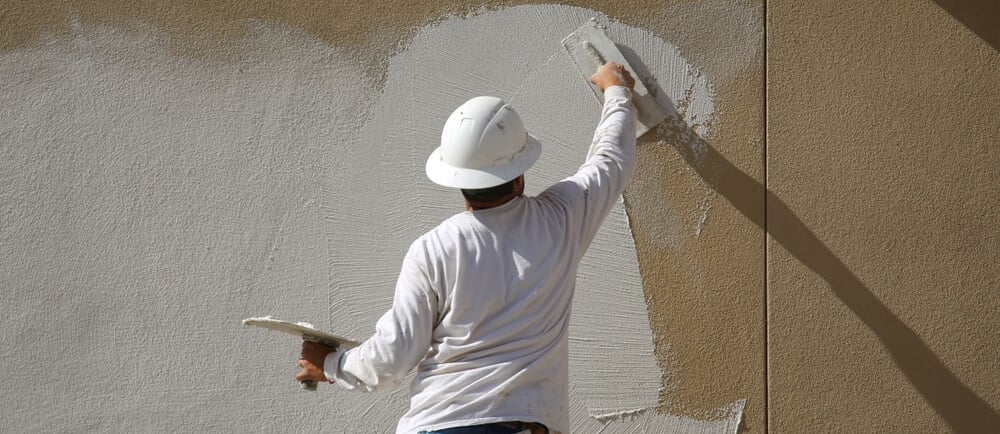
Once the surface has been prepared, the application of the stucco itself begins. The process generally involves the application of a scratch coat, followed by a brown coat, and finally a finish coat. The scratch coat, which is the first layer, is applied directly to the prepared surface. It is crucial to score this layer lightly to create a rough texture that allows the subsequent layers to adhere effectively.
The brown coat is then applied over the scratch coat after it has properly cured. This layer serves both to provide additional stability and to level the surface. Curing times for both the scratch and brown coats can vary, but typically it takes about 24 to 48 hours for each layer to dry adequately before proceeding to the next. This waiting period is critical, as it affects the overall strength and longevity of the stucco application.
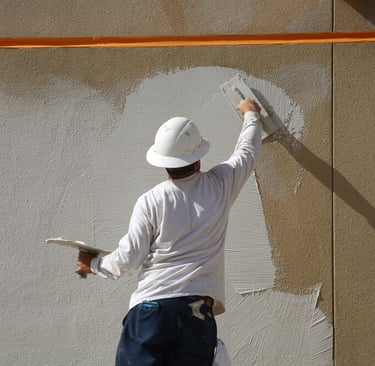
Finally, the finish coat, which can offer various textures and colors, is applied. Homeowners have the option to choose different styles and finishes, allowing for personalization. The application must be done evenly to prevent issues such as cracking or peeling. Essential tools for the process include a hawk and trowel for applying the stucco, as well as a sponge or brush for finishing touches. Understanding these steps provides homeowners with clarity on what to expect when stucco is being applied to their structure.
Maintenance of Stucco
Maintaining stucco surfaces is essential for ensuring their longevity and aesthetic appeal. Proper maintenance can prevent deterioration and costly repairs over time. One of the most common questions regarding stucco maintenance is about the recommended cleaning methods. A gentle washing using a garden hose and a soft-bristle brush is effective for removing dust, dirt, and mildew. It is advisable to avoid high-pressure washers, as they can damage the stucco surface.
When it comes to repairs, homeowners often inquire about how to handle cracks or chips. Small cracks, which can develop due to settling or changes in temperature, should be repaired using a stucco patching compound. For larger cracks, evaluating the foundation and underlying structure is critical before proceeding with patching. It is essential to follow the manufacturer’s instructions for mixing and applying the compound to ensure a seamless repair.
Another important aspect of stucco maintenance is preventing water damage. Regularly checking for areas where water may pool or drain inappropriately can mitigate potential issues. Installing proper drainage systems or gutters can redirect excess moisture away from stucco walls, thereby prolonging their lifespan.
Additionally, applying a sealant every few years can protect the stucco from the elements. Choosing the right type of sealant is vital; look for one that is breathable yet waterproof to facilitate moisture release while preventing water intrusion. When repainting stucco surfaces, ensure that you use a high-quality, breathable paint designed for exterior use.
Ultimately, staying attentive to routine inspections and addressing issues promptly can effectively preserve the integrity of stucco. This ongoing vigilance will help maintain its visual charm and structural strength while preventing future repair challenges.
Benefits of Using Stucco
Stucco has gained popularity in construction due to its myriad advantages, which make it an attractive choice for both residential and commercial buildings. One notable benefit of using stucco is its exceptional energy efficiency. When properly installed, stucco provides excellent insulation, which helps regulate indoor temperatures and reduces heating and cooling costs. This energy efficiency can contribute to lower utility bills, making it a cost-effective option in the long run.
Aesthetic appeal is another critical reason to consider stucco. Available in a variety of colors and textures, stucco can be tailored to complement various architectural styles. Whether one prefers a smooth finish or a textured look, stucco can enhance the overall visual appeal of a building, offering a sophisticated and modern appearance that many home and business owners seek.
Fire resistance is a crucial property of stucco that cannot be overlooked. As a non-combustible material, stucco offers superior protection against fire hazards, which can provide peace of mind to both property owners and renters. This functionality can potentially lower insurance premiums and increase overall safety for inhabitants.
Moreover, stucco is highly durable and weather-resistant, making it suitable for a range of climates. It can withstand various weather conditions, including heavy rain, high humidity, and even extreme heat. With proper maintenance, stucco can last for decades, reducing the frequency of repairs or replacements needed over time.
Additionally, stucco is low maintenance. Unlike other exterior materials that may require regular painting or treatment, stucco simply needs periodic cleaning to maintain its appearance. This ease of upkeep can save both time and money.
In summary, the benefits of using stucco encompass energy efficiency, aesthetic appeal, fire resistance, durability, and low maintenance. These factors make stucco a compelling choice for anyone considering a building finish.
Environmental Impact of Stucco
Stucco, a traditional exterior finish for buildings, has garnered attention for its environmental implications. One of the primary questions regarding the material involves its sustainability. Stucco is often composed of inherently sustainable materials, such as sand, cement, and lime, which can minimize the environmental footprint of construction. However, the extraction and processing of these ingredients raise valid concerns about resource depletion and habitat disruption.
Another vital aspect is the energy consumption associated with stucco application. The mixing and application process require significant energy, particularly when production takes place in facility settings. It is essential to consider that applying stucco in moderate climates may reduce the need for extensive heating or cooling, leading to less energy consumption in the long run.
In terms of recyclability, stucco has limited options compared to other building materials. While stucco cannot be directly recycled in the same manner as metals or certain plastics, its components can be reused in various applications. For example, crushed stucco can be repurposed as aggregate in new construction projects, aiding in waste reduction.
Furthermore, the longevity of stucco contributes positively to its environmental impact. The material is known for its durability; when properly maintained, stucco can last for decades without requiring significant repairs or replacements. This longevity not only reduces the frequency of material consumption over time but also minimizes construction waste.
Addressing concerns related to moisture and mold, it is crucial to ensure proper installation techniques to promote ventilation, which can reduce the potential for environmental hazards. Overall, considering the ecological ramifications of stucco involves analyzing its lifecycle, from material extraction to application and maintenance, to ensure responsible building practices.
Common Issues with Stucco and Their Solutions
Stucco is a popular choice for exterior siding due to its durability and aesthetic appeal; however, it is not without its problems. Among the most frequently reported issues are cracking, moisture retention, and mold growth. Understanding these common challenges can help homeowners take proactive measures to maintain their stucco surfaces.
One prevalent issue is cracking, which can occur due to factors such as settling, poor installation, or temperature fluctuations. Small cracks may not be alarming, but larger ones can indicate structural problems. To address this, it is advisable to consult a professional to assess the severity of the cracks. For minor cracks, a high-quality acrylic caulk can be used to seal them, while larger fissures may require patching with stucco repair compound.
Moisture retention poses another significant concern, as trapped water can lead to deterioration of the stucco and underlying structures. Poor drainage systems or improper installation are often culprits of this problem. To mitigate moisture issues, ensure that gutters and downspouts direct water away from the foundation. In some cases, applying a waterproof sealant to the stucco surface can also help reduce moisture infiltration.
Mold and mildew can thrive in wet conditions, making them another issue for stucco homeowners. Signs of mold growth may include discoloration on the surface. Regular cleaning and maintenance can prevent mold from becoming a problem. A mixture of water and mild detergent can be used to clean affected areas, or homeowners may opt for professional cleaning services for more stubborn infestations.
Other common issues include efflorescence, which manifests as white powdery stains on the stucco due to soluble salts. While typically cosmetic, it may indicate underlying moisture problems. Addressing the source of the moisture effectively is vital to prevent its recurrence. By identifying and promptly addressing these common stucco problems, homeowners can ensure the longevity and integrity of their exterior surfaces.
Conclusion and Resources
In summary, understanding stucco is essential for homeowners, builders, and architects alike. The frequently asked questions tackled throughout this guide provide a comprehensive overview of stucco, covering its composition, installation, maintenance, and repair. By familiarizing yourself with these aspects, you can make informed decisions about using stucco in various construction projects, whether for aesthetic purposes or for its durability and weather resistance.
As we've explored, stucco is a versatile material that offers numerous benefits, including energy efficiency and low maintenance requirements. Awareness of the differences between various stucco types, such as traditional and synthetic stucco, can lead to more effective application techniques and better long-term results. It's crucial to grasp the importance of proper installation practices, as they directly impact the performance and lifespan of stucco exteriors.
For those eager to delve deeper into specific topics related to stucco, numerous resources are available, ranging from industry publications to online forums where professionals share their insights and experiences. Websites such as the American Concrete Institute and the National Stucco Manufacturers Association provide valuable educational materials and guidelines. Additionally, building codes and local regulations can significantly influence stucco installation and application, making it essential to stay informed about regional standards.
Finally, if you have questions that remain unanswered or specific concerns about your stucco projects, consulting with seasoned professionals can provide clarity and reassurance. Engaging with experts in the field can enhance your understanding and help you navigate any challenges that may arise during construction or maintenance. We encourage you to reach out, inquire, and bolster your knowledge about stucco to ensure successful implementation in your future endeavors.